
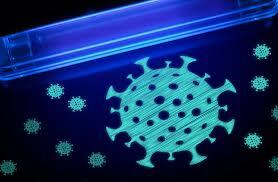
Use of ultraviolet light to kill pathogens (germicidal irradiation)
We can contribute to virus suppression by retrofitting fixtures, work surfaces, and other components of a lab, studio, or performance space with antimicrobial materials such as copper or applied antimicrobial finishes.
- Spectorgroup [alumni architecture firm] COVID-19 & Material Selection recommendations
Since airborne transmission is a major vector of COVID transmission, we should evaluate heating, ventilation, and air conditioning systems in our facilities.
- ASHRAE (American Society of Heating, Refrigeration, and Air-Conditioning Engineers), COVID-19 Preparedness Resources
Ultraviolet light is a proven antiviral agent used to disinfect operating rooms, labs, and other facilities, usually off-hours due to carcinogenic properties of UVC radiation. We could install UVGI lighting in high-traffic P/S/L facilities for nightly or otherwise intermittent disinfection.
- Wikipedia, Ultraviolet germicidal irradiation
Research at Columbia University’s Center for Radiological Research suggests that far-UVC light can suppress influenza and coronavirus without harming human occupants. After further testing at Columbia or here, far-UVC installations or retrofits could permit continuous viral suppression in facilities for teaching, learning, and research.
Prof. David Brenner, Center for Radiological Research, Columbia University: Using the Power of Light: Preventing the Airborne Spread of Coronavirus and Influenza Virus.
Working with facilities management on the installation of UV lights